What is carbon farming, and which farming practices generate credits (soil, cover crops, reduced tillage)?
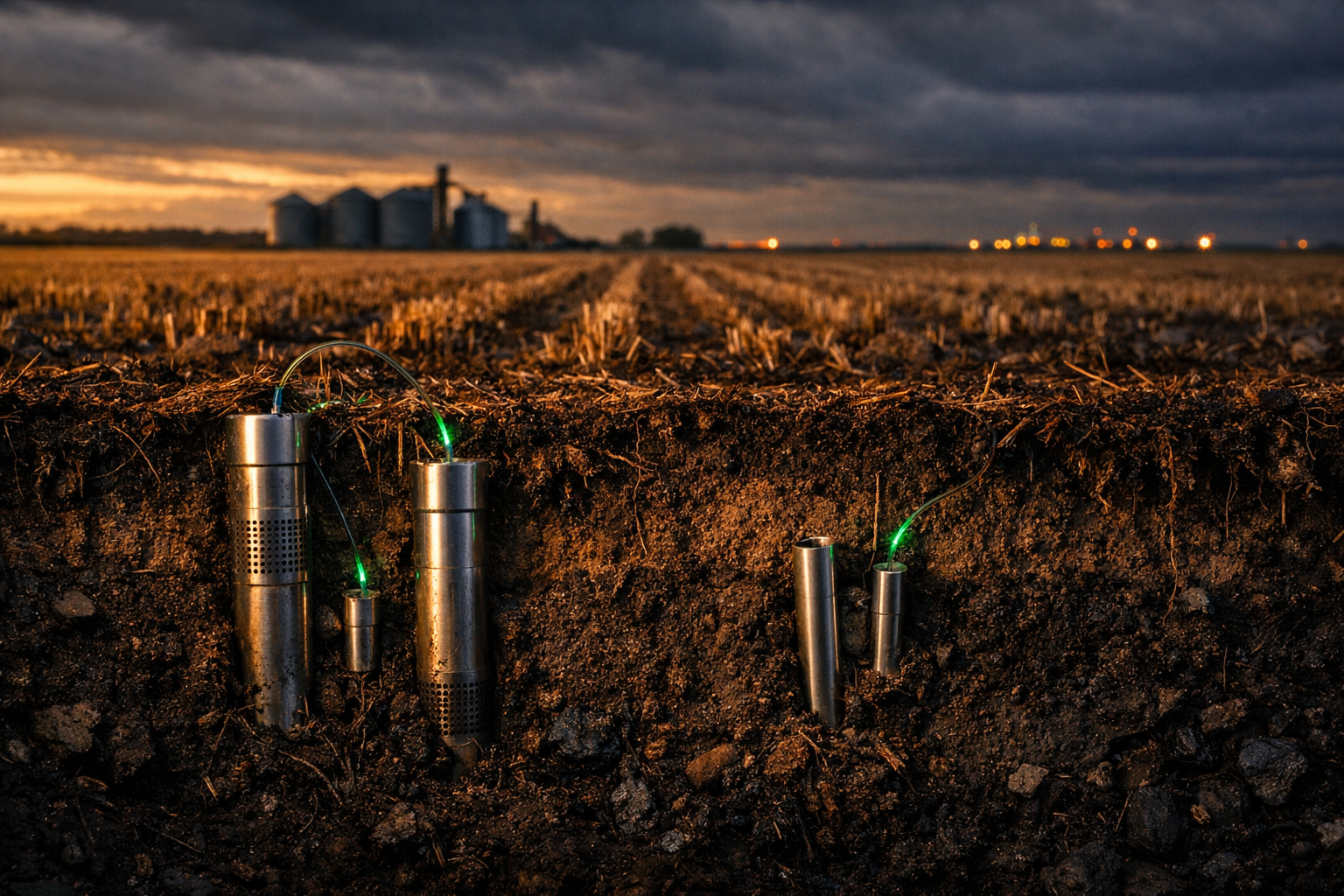
In the voluntary market, carbon farming is often framed as improved agricultural land management (IALM/ALM). The goal is twofold: increase SOC (soil organic carbon) in the soil and/or reduce agricultural emissions (for example those linked to fertilizer management). In contracts, it helps to distinguish upfront between removals and reductions, because this affects both the claim narrative and some expectations around risk and duration.
Typical “creditable” practices in VCM projects include: cover crops, reduced tillage (reduced tillage, no-till, strip-till, including direct drilling), crop rotations and diversification, residue management, fertilizer optimization, and irrigation management. In grasslands, this includes grazing management, meaning grazing plans and rules for how areas are used. For SEO purposes or when speaking with buyers, these practices are often grouped under labels such as “regenerative agriculture” or “conservation agriculture”.
Soil response is not a machine. Even when a practice is “right” on paper, results can be variable and depend on soil-climate conditions and management. Also, some systems show greater benefits in combination (for example cover crops together with reduced tillage), but the literature also discusses non-uniform outcomes. Practical translation: without a robust baseline and serious MRV, you risk selling expectations.
Concrete examples buyers care about
- Arable crops (cereals): cover crops + reduced tillage. Here the buyer mainly looks at volume continuity and reversal risk if the farm goes back to intensive tillage.
- Vegetables/horticulture: residue/soil amendment management and irrigation. Here operational data and traceability of practices matter a lot.
- Livestock and grasslands: grazing plans. Here governance, community rules, and climate risk come into play.
B2B box: Scope 3 vs offset (insetting, book & claim, supply chain interventions) If a buyer uses the project as a supply-chain intervention (Scope 3), the key question is “can I demonstrate in an audit that my supply chain is changing?”. If they buy offsets, the question becomes “is the credit valid, verified, and retired on a registry?”. In practice, procurement, documentation, and communication change. Terms that often come up are insetting, book & claim, and supply chain interventions.
How soil carbon is measured and verified: MRV, additionality, permanence, and leakage explained simply
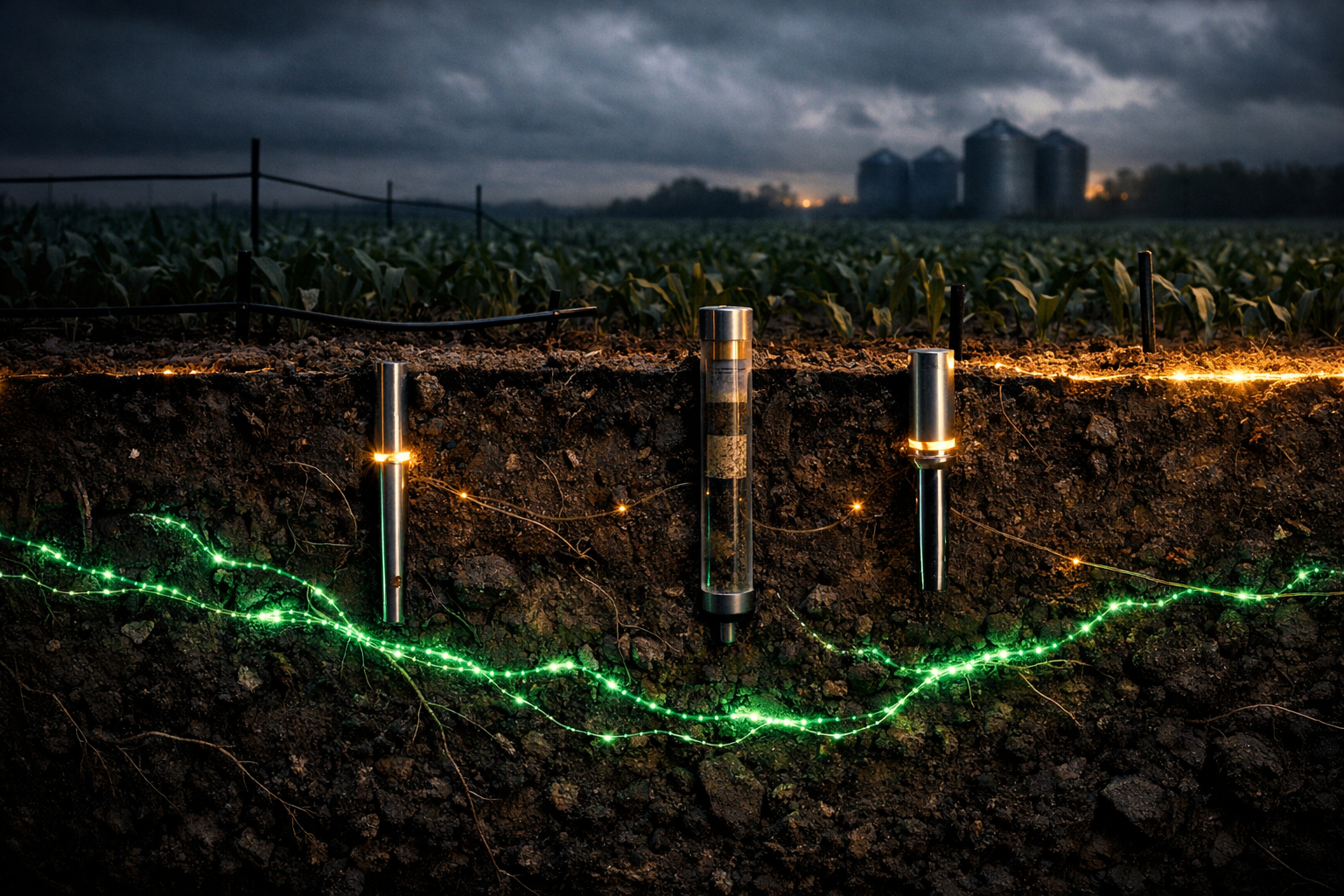
MRV means Monitoring, Reporting, Verification. In soil projects it’s a chain: field data (sampling), models that help estimate and scale, and third-party audits. There are also methodological references and approaches to quantify greenhouse gas flows at an “entity” scale (as in USDA resources), which can be useful as a methodological analogy. They should not be confused with VCM standards, but they help explain why procedures and controls are needed.
Additionality is the simplest—and most uncomfortable—question: would the practice have been adopted anyway? This is where “common practice” risk comes in. For a buyer, the practical test is to ask how the standard and methodology treat the baseline scenario and, where applicable, barrier analysis. The Core Carbon Principles (ICVCM) are a useful reference for understanding what’s expected in terms of integrity.
Permanence is the weak point of SOC. Soil carbon can decline if practices stop, management changes, or stresses like drought occur. That’s why many schemes use a buffer pool (or buffer portfolio): a share of credits is set aside to cover non-permanence risk. For buyers, the question isn’t “is there a buffer?”, but “how is it calculated and when is it triggered?”.
Leakage in agriculture and grasslands is often real. It can be activity shifting elsewhere (for example pressure on other land or moving herds) or indirect effects on production and inputs. The B2B question is: what are the project boundaries and what supply-chain controls are in place?
Operationally, procurement looks at details that make the difference: sampling frequency, management of uncertainty, any uncertainty deductions, and the use of “model-assisted MRV” approaches to keep costs down without losing integrity (sampling design, stratification, uncertainty discount).
“Uncertified” agricultural credits: red flags to spot before signing a contract
The first red flag is basic: credits sold as “carbon credits” without a recognized registry or without a clear path to validation and verification. Always ask for the standard, methodology, and project status. In agriculture, a frequent reference is Verra VCS VM0042 (Improved Agricultural Land Management), including the version and documentation.
The second red flag is “top quality” claims without transparency. If there’s no clear link to the Core Carbon Principles (ICVCM) or details are missing on additionality, baseline, and safeguards, reputational risk increases.
The third red flag is numbers that look “too good” and immediately monetizable. If you don’t see risk or uncertainty deductions, and there’s no credible explanation of permanence, ask about: buffer, reversal, QA/QC.
The fourth red flag is contractual. If it’s unclear who owns data and credits, if there’s a long exclusivity, opaque penalties, or ambiguity around double counting and double claiming, stop. This is where concepts like title transfer and, when relevant, corresponding adjustments come in.
The fifth red flag is reputational. Projects under review or suspended can block sales and deliveries. One example cited is the Northern Kenya Rangelands Carbon Project, described as having been placed under review by Verra on two occasions and with sales halted during the review, as reported by Mongabay.
How much can a farm earn: costs, timelines, prices, and revenue sharing with developers and aggregators
In the voluntary carbon market, prices are widely dispersed. Market benchmarks cite an order of magnitude ranging from under 1 dollar up to tens or hundreds per tCO2e, depending on quality and attributes. Soil carbon may target a premium, but it comes with uncertainty and permanence issues that the market discounts.
Timelines are not immediate. Typically you move from onboarding and baseline, to implementing practices, then the MRV cycle and audit, and finally issuance on a registry. Monetization depends on verification windows and methodology requirements.
The economics should be read “net,” not gross. There are farm-side costs (management changes, machinery, advisory, data) and program costs (MRV, verifier, registry fees). Contracts often include models such as revenue share, offtake, floor price, advances or upfront payment, often managed by an aggregator or project developer.
As proof that “it can be done,” there are publicly communicated cases of agricultural projects that have completed Verra verification and obtained issued credits. The lesson isn’t “replicable everywhere,” but “replicable if data, governance, and audits hold up.”
For buyers, the rule is not to push toward low-quality credits just to chase price. Ask for a breakdown of MRV cost and risk deductions, and align incentives: paying for performance is not the same as paying for a practice.
Rangelands case study (Kenya): what a soil-and-grazing project teaches anyone assessing agricultural credits
In rangelands, the key point is that credits often depend on ecological models and community governance. This increases due diligence complexity. The Northern Kenya Rangelands Carbon Project is described as a community initiative to regenerate rangelands and support livelihoods, but also as a project with controversies around credits and land management, as well as issues of information and consent.
On MRV, in grasslands you need to separate climate effects from livestock management effects. In practice, a buyer should ask: how is the model validated, what are the input data, and what independent controls exist.
The “program/standard” lesson is practical. It has been reported that the project was placed under review and that there were suspensions and sales stops during the review. When that happens, delivery, reputation, and contractual clauses change.
The permanence lesson is just as practical. Drought, governance changes, and land-use conflicts increase risk. Here buffer pools and stress tests aren’t theory—they’re risk management.
For context, there is recent literature linking controlled grazing practices to SOC improvements in semi-arid settings. It’s a “can work,” not a promise.
Final checklist for farms and buyers: questions to ask, documents to request, and standards to prefer (Verra, Gold Standard, ICVCM)
Minimum documents come before slides. Ask for the PDD (Project Design Document), validation/verification reports, monitoring report, evidence of issuance and retirement on a registry, the MRV description (sampling, models, uncertainty), and the reversal and buffer policy.
Procurement’s killer questions:
- Which methodology and which version?
- Which practices and for how long?
- How do you address additionality, leakage, permanence?
- What deductions do you apply and why (risk, uncertainty)?
- Who owns credits and data, and how do you avoid double counting/double claiming?
As an integrity benchmark, use the Core Carbon Principles (ICVCM). If an offer can’t respond in that language, it’s usually a signal.
Among standards, Verra VM0042 is central for soil projects and includes regenerative practices. Verra has stated that the Improved Agricultural Land Management methodology has been approved by ICVCM. As an alternative or benchmark for soil removals, Gold Standard has announced a Soil Organic Carbon framework/methodology to scale carbon removals: useful for comparing requirements and safeguards.