
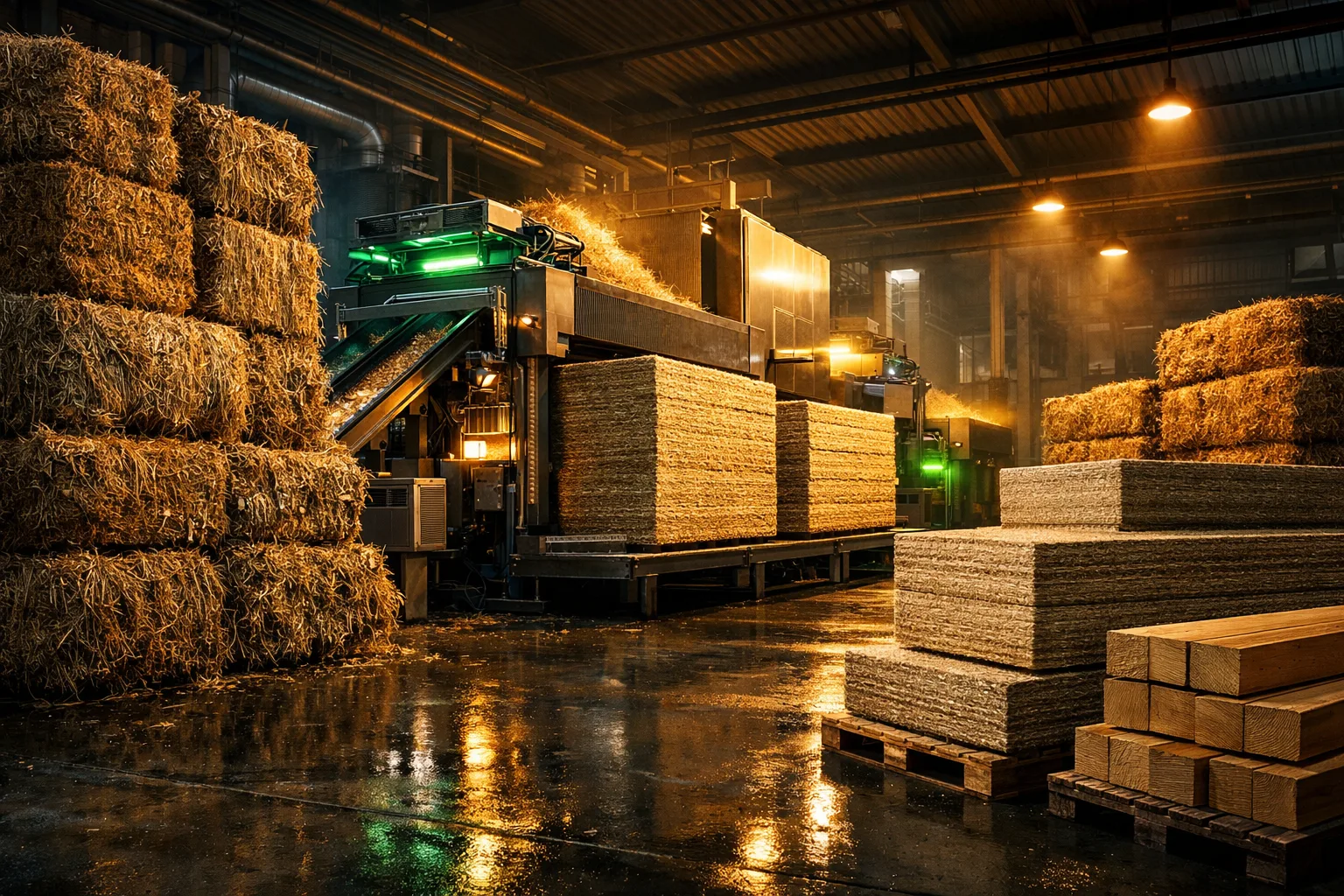
What the Dutch methodology approval actually changes for voluntary carbon markets
The Dutch methodology approval matters because it moves biobased building materials from a sustainability idea into a possible carbon credit pathway. For voluntary carbon markets, that is a real shift.
The key change is that durable carbon storage in construction materials now sits inside a more structured and verifiable methodology. That matters for buyers and developers because it makes the carbon claim easier to test, compare, and audit.
The commercial language also changes. These products are no longer just low-carbon materials. They start to look like carbon-storing construction products with MRV, lifecycle accounting, and permanence claims attached.
That is usually how a new credit category begins. A market first accepts the underlying climate logic, then it builds rules around measurement, durability, and disclosure.
The broader construction context makes the idea credible. Buildings and construction account for a very large share of global economic activity, employment, emissions, and material extraction, so any methodology that links carbon to building materials touches a major decarbonization lever.
For B2B buyers, the practical effect is standardization. Feedstock, intermediate products, durability, end-of-life treatment, and chain of custody can now become procurement variables, not just marketing claims.
That also raises the core operational question. If carbon is stored in a material for years or decades, which feedstocks and products offer the best balance of availability, stability, and industrial scale?
Why crop residues are emerging as a feedstock for durable carbon storage
Crop residues are attractive because they are widely available and often have limited competing uses. That makes them a stronger waste-to-value story than virgin feedstocks.
They also reduce some of the reputational risk that comes with land-use change or direct competition with food production. For carbon market participants, that matters as much as technical performance.
The industrial case is also strong. Many agricultural residues have a composition suited to panels, insulation, biocomposites, and hybrid building materials, where biogenic carbon can stay locked in the product during its useful life.
For buyers and processors, the real question is not just how much biomass exists. It is how much can be collected economically, with consistent quality, and without harming soil health.
That is where logistics, densification, pre-processing, and long-term contracts become important. Residues are only useful as a carbon feedstock if the supply chain can handle them reliably.
Market attention to improved agricultural practices and residue retention also shows that residues are already part of carbon market infrastructure. That creates a bridge from agricultural inputs to durable building products.
The next step is durability. If a residue becomes part of a long-life building component, the carbon storage story starts to overlap with circular economy and built-environment decarbonization goals.
How long-lived construction materials fit into circular economy and climate goals
Multilateral institutions increasingly place bio-based materials inside a circular economy framework. The goal is to reduce extraction, keep materials in use longer, and cut waste and emissions across the life cycle.
That matters because the pressure on the construction sector is huge. Buildings and construction are responsible for a very large share of global CO2 emissions and material extraction, so long-lived materials are relevant to structural change, not just carbon accounting.
For B2B buyers, the point is not simply that bio-based is better. The point is how these materials fit into project specifications and procurement rules.
Mass timber, biocomposites, hempcrete, residue-based panels, and hybrid materials can all help reduce embodied carbon. They can also create assets with a stronger ESG profile.
Circularity also requires design for disassembly, traceability, and recovery planning at end of life. Without those elements, biogenic carbon storage can be temporary or weak from an accounting perspective.
That is why permanence becomes central. If the material lasts twenty, thirty, or fifty years, the market needs to know how that storage is proven and how it is treated in crediting.
The key integrity questions buyers will ask: additionality, permanence, and traceability
Additionality will be the first question buyers ask. Would the project have happened without carbon finance?
For biobased materials, that usually means showing incremental CAPEX, a price gap versus conventional materials, adoption risk, and dependence on carbon revenue to scale the plant or supply chain.
Permanence is the second question. The carbon is stored only while the product remains in use, so the crediting logic will likely need to reflect real service life, replacement rates, demolition risk, and what happens to the carbon at end of life.
That makes these credits closer to durable removals than to short-cycle credits. Buyers will expect that difference to be clear.
Traceability is the third question. Buyers and auditors will want proof of residue origin, chain of custody, process emissions, biogenic content, and project geography.
That means the project data room matters as much as the CO2 tonnage. Documentation becomes part of the asset.
Developers will need robust MRV. That usually includes cradle-to-gate LCA, feedstock quality checks, batch records, and contract terms covering replacement, reversal risk, and end-of-life treatment.
The market will also look for alignment with voluntary market integrity standards. The commercial value will depend on whether the methodology can turn a good industrial idea into a financeable asset.
What this could mean for developers, builders, and international credit buyers
Developers could gain a new project pipeline. If the methodology makes carbon revenue bankable, projects that connect agriculture, pre-processing, manufacturing, and credit issuance may attract project finance.
Builders and material producers could gain a commercial edge. Carbon storage in specifications can support premium segments in green construction, public procurement, and real estate ESG.
International credit buyers may see two use cases. One is offsetting. The other is contribution claims linked to durable removals and supply-chain decarbonization.
Sophisticated buyers will still want strong contract terms. They will look for disclosure on permanence, replacement liability, and independent verification.
The geography of the opportunity also matters in a global sense. Regions with abundant agricultural residues and strong construction growth can connect rural value creation with urban decarbonization.
The window is opening now. If the methodology holds up and the supply chain delivers data, traceability, and durability, biobased building materials could move from niche ESG story to a new carbon credit category.