India’s CBAM Compliance Subsidy: What the 90% MSME Relief Means for Exporters and Carbon Trade Readiness
Why India Is Stepping In Now That CBAM Has Entered Its Definitive Phase
CBAM is no longer a preparation exercise. Since 1 January 2026, the EU has moved into the definitive phase, which means importers now face authorization, certificate purchasing, and verification of embedded emissions for CBAM goods. For exporters, that turns carbon compliance into an operational supply chain issue, not a future risk.
That matters immediately for B2B buyers. Landed cost for non-EU suppliers will now start to include a carbon cost line item, which can affect spot contracts, annual RFQs, and pass-through talks in steel, aluminium, cement, and fertilisers.
India has a strong reason to respond. The EU is India’s largest trading partner, with €120 billion in goods trade in 2024. So CBAM is not a niche issue for a few large exporters. It reaches a wide commercial base.
The subsidy also fits a broader policy push. India has been putting more emphasis on MSMEs, export promotion, manufacturing competitiveness, credit access, digitisation, and export-focused firms. In that context, support for CBAM compliance is not just a grant. It is industrial policy aimed at a new regulatory cost coming from abroad.
The core point is simple. CBAM creates a cost for carbon data, verification, and reporting. Firms with weaker data systems are more exposed. Public support can reduce that gap, at least in the short term.
That leads to the next question. Which MSMEs are actually exposed, and where does CBAM turn from a reporting burden into a margin problem?
Which MSMEs Are Most Exposed to EU Carbon Border Costs
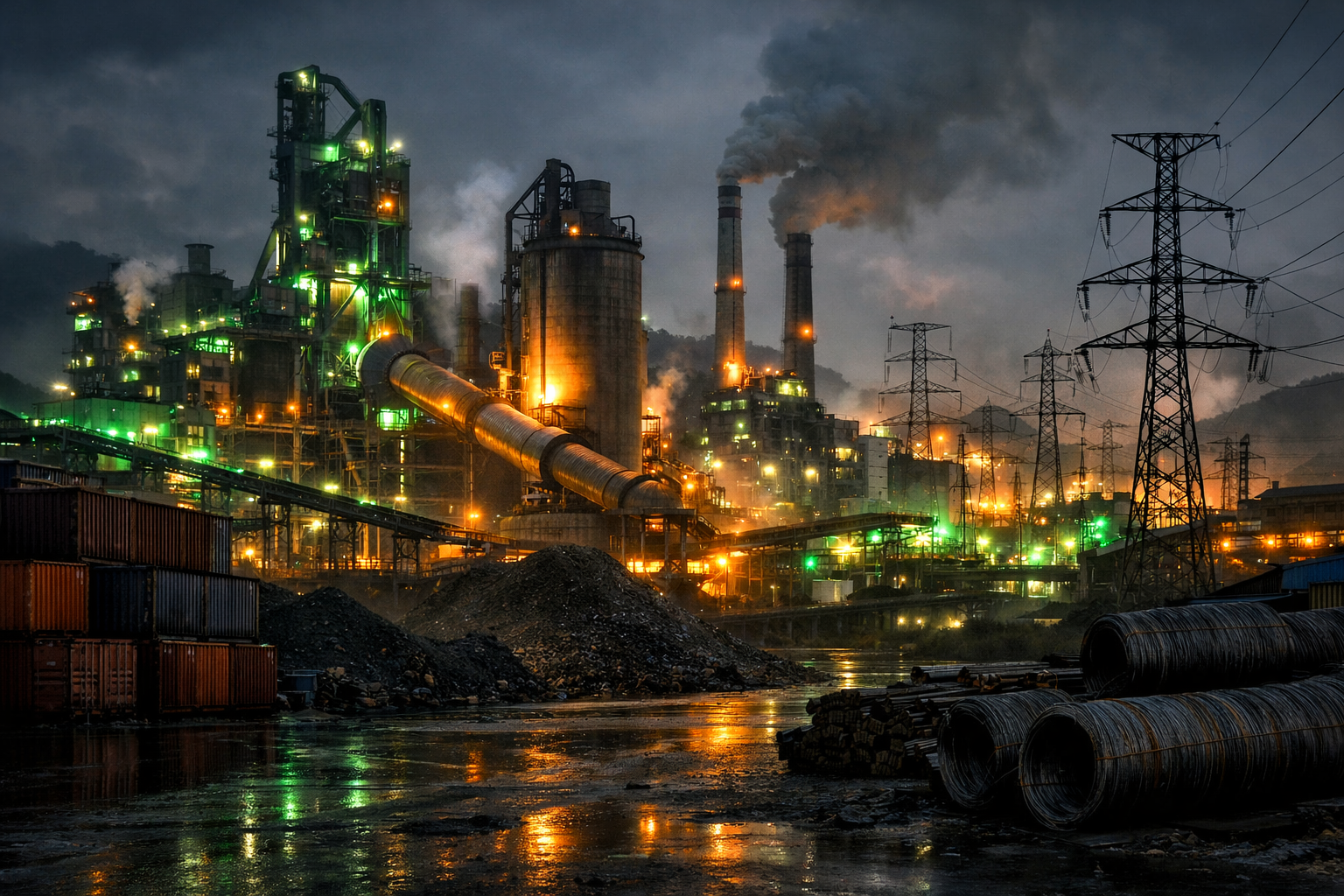
The most exposed MSMEs are the ones tied to iron and steel, aluminium, cement, fertilisers, and downstream metal products. The risk is highest where exports move through traders, job workers, or specialist sub-suppliers.
Trade data shows this is already commercially important. EU imports of iron and steel from India rose by 89.2% between 2019 and 2024, while imports of articles of iron and steel from India rose by 40.5% over the same period. That means CBAM pressure is landing on supply chains that are already active and growing.
Aluminium is another sensitive area. The EU recorded a €11.1 billion deficit in aluminium in 2024, with exports to India growing strongly. That makes Indian secondary aluminium producers and semi-finished processors especially sensitive to compliance costs and carbon intensity screening.
For many MSME exporters, the real issue is not only the CBAM certificate price. It is the ability to prove embedded emissions at plant, batch, and input-supplier level. That is much harder for fragmented producers.
This also affects adjacent sectors. Component makers, forging units, foundries, fastener producers, extrusions, and industrial parts suppliers can all become CBAM-adjacent when European buyers push disclosure requirements down to tier-2 and tier-3 suppliers.
So the real economic question is not whether CBAM matters. It does. The question is whether a subsidy covering most compliance costs can preserve export competitiveness and improve buyer negotiations.
How the 90% Compliance Support Could Change Export Competitiveness
A public support package covering up to 90% of compliance costs can sharply reduce the upfront cost of CBAM readiness. That includes audits, gap assessments, MRV software, training, consultants, and pre-verification work.
For exporters, the first effect is not just cash relief. It is the ability to present CBAM-ready offers with stronger documentation. That can improve credibility with importers, distributors, and procurement teams in Europe.
In low-margin sectors, even small carbon cost differences can decide who gets the order. Subsidised compliance can turn CBAM from a competitive penalty into a requirement that firms can actually defend in tenders.
The biggest benefit for MSMEs is time. With financial support, they can reach a verifiable emissions baseline faster and align with buyers asking for product-level carbon information.
But the subsidy does not remove the carbon price itself. Exporters still need to cut emissions through energy efficiency, fuel switching, and process changes if they want to protect margins over time.
That is why the real bottleneck is not funding alone. It is data quality, reporting discipline, and verification capacity.
The Real Bottleneck: Data, Reporting, and Verification Capacity
The main bottleneck is data quality. CBAM requires credible, traceable, and verifiable embedded emissions data, but many MSMEs still work with fragmented ERP systems, limited energy metering, and supply chain records built for tax purposes rather than climate reporting.
The EU has already tightened the rules on verification and is still adding implementing acts for the definitive phase. That raises the bar for auditability and leaves less room for rough estimates.
India has also acknowledged a practical constraint. In parliamentary responses, the government has noted that the lack of domestic accredited verifiers may force exporters to use foreign bodies, which adds cost, time, and operational dependence.
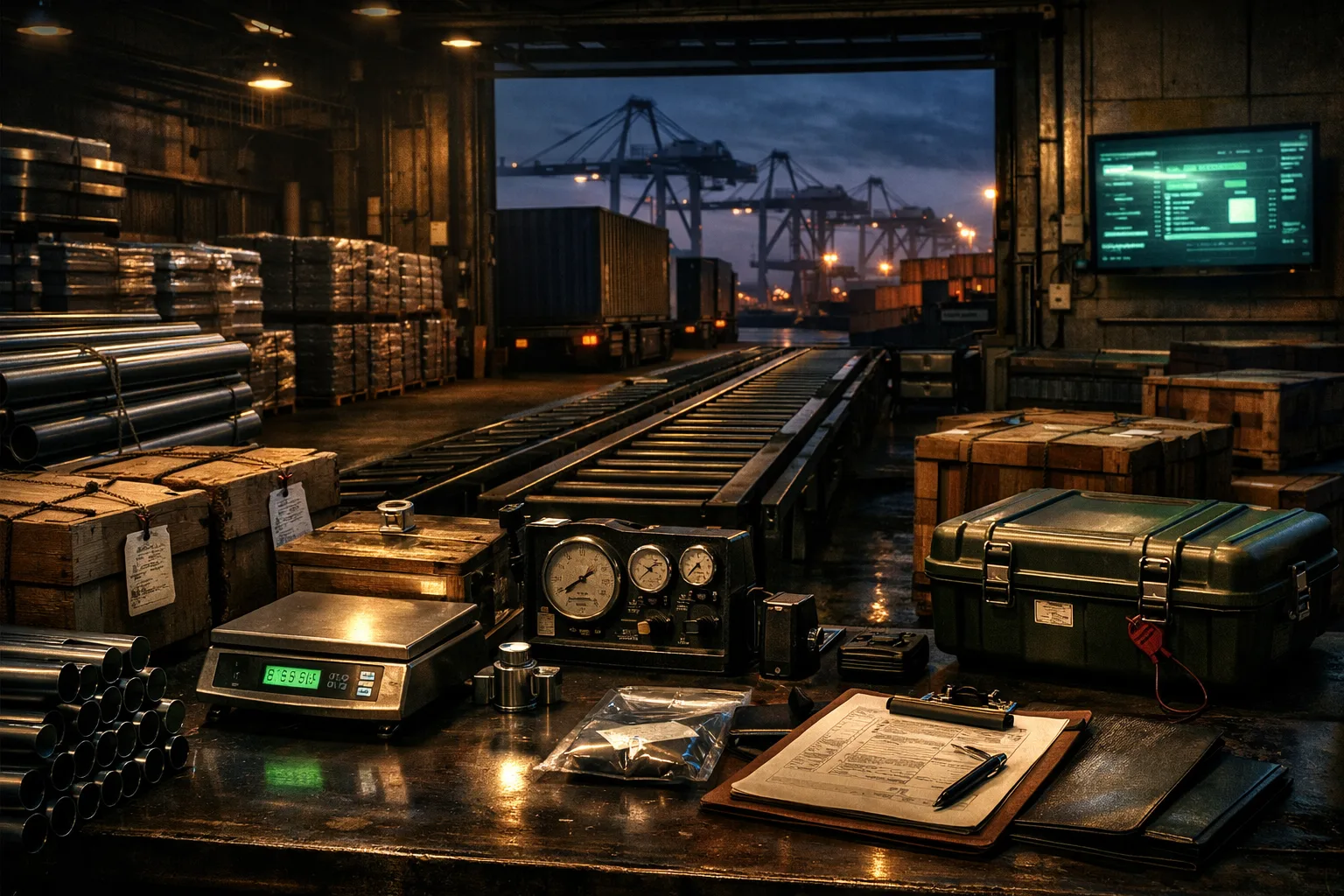
For European buyers and processors, the issue is the chain of evidence. Producer declarations, emission factors, system boundaries, input origin, and proof of verification all need to hold up on paper.
The firms that invest in carbon accounting, LCA tools, digital audit trails, and third-party verification will be better prepared not only for CBAM, but also for future Scope 3, eco-design, and supplier due diligence demands.
This is not only an India story. It points to a wider question about what CBAM means for other emerging export economies.
What This Policy Signals for Other Emerging Export Economies Under CBAM Pressure
The policy signal is clear. Emerging economies will need to choose between absorbing the carbon compliance shock or building domestic MRV infrastructure, accredited verifiers, and export support tools quickly.
The EU is treating CBAM as a structural part of trade-climate policy, not a temporary measure. That means other export hubs in Asia, MENA, and LatAm will also need to adjust pricing, data systems, and industrial policy.
For global buyers, this creates a new supplier split. Compliance leaders will compete on reliability and speed, while laggards may face discounts or exclusion from higher-value supply chains.
If India’s MSME support model works, it could become a reference point for subsidy design, export credit, technical assistance, and carbon market readiness in other exporting countries.
The bigger takeaway is that CBAM is not only a regulatory cost. It is pushing exporters toward formal emissions data, better supplier discipline, and a new kind of commercial capability built around carbon trade readiness.