Microsoft’s India Carbon Removal Deal and the New Geography of High-Quality Carbon Removal Supply
Why this purchase matters beyond a single tech buyer
Microsoft is not acting like a normal buyer in durable carbon removal. CDR.fyi says it accounts for 36.4 million tonnes, or 78.5% of disclosed durable carbon removal contracted to date, so this India deal should be read as market-shaping procurement, not a standalone ESG move.
Microsoft’s FY2025 procurement activity also reached a record 45 million metric tonnes of CO2 removal across 21 companies. That makes its buying behavior a demand anchor for the advanced carbon removal stack, not just a headline for one project.
The strategic signal for buyers is clear. Tech giants are using offtake agreements to de-risk early project finance, create revenue visibility, and support MRV-heavy pathways such as enhanced rock weathering, BECCS, and mineralization.
This India purchase also fits Microsoft’s stated approach to building a global carbon removal portfolio under rigorous quality standards for residual and historical emissions. For buyers, that is a strong validation of a quality-first, durability-first procurement model.
The next question is why India, and why a Darjeeling-based ERW project in particular can become a template for supply that is both climate-credible and operationally scalable.
What enhanced rock weathering in Darjeeling says about India’s carbon removal potential
Enhanced rock weathering works by spreading finely crushed silicate rock on land, where weathering converts atmospheric CO2 into bicarbonate and other durable forms of stored carbon. Recent studies confirm the pathway is scientifically established, although field quantification still needs improvement.
India is relevant for ERW because its large agricultural base, monsoon-driven hydrology, and soil management needs create a plausible setting for cropland deployment. That is especially true where operators can align removal with soil-health co-benefits.
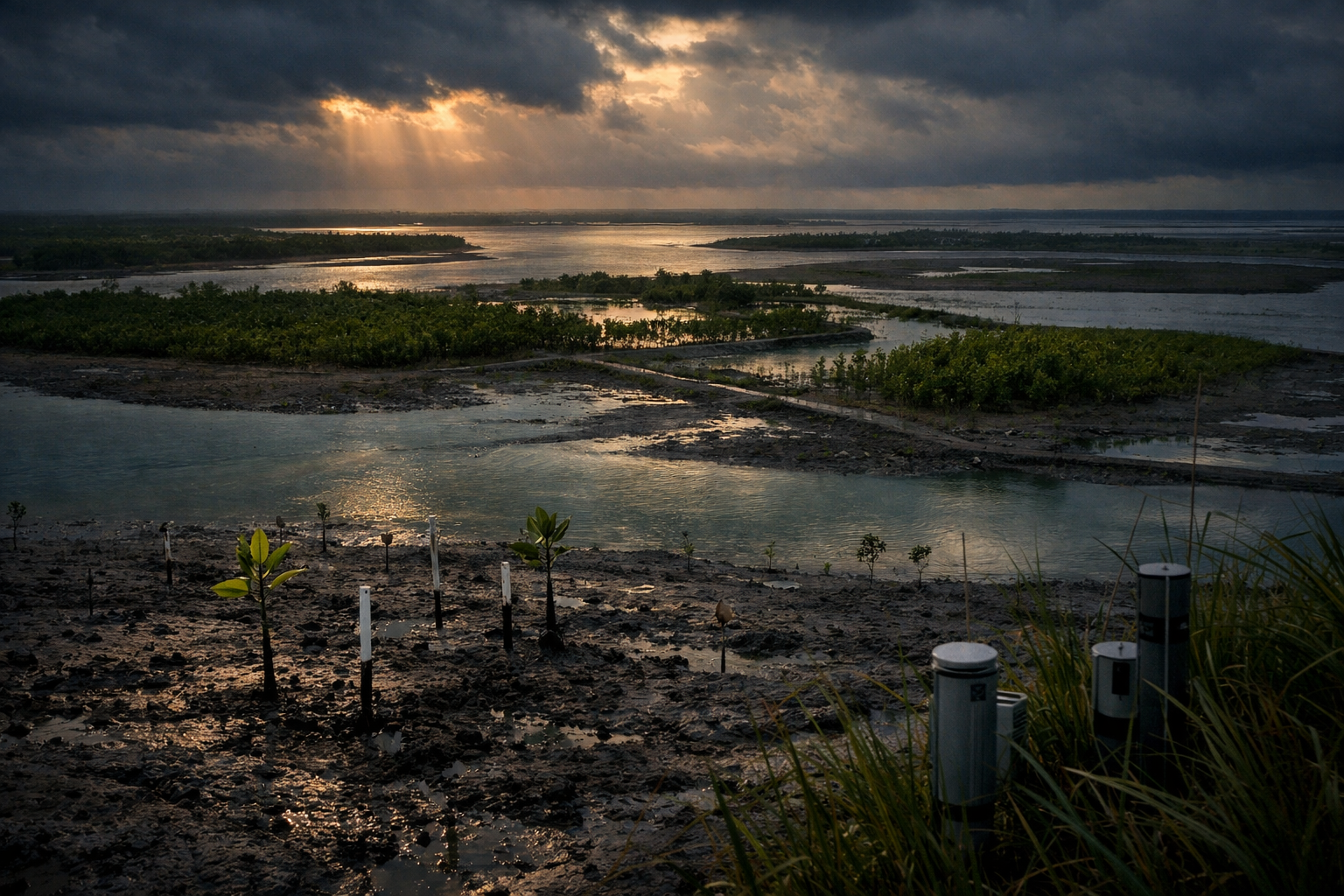
Darjeeling adds a strong place-based signal. High-relief, high-rainfall landscapes may support faster weathering kinetics, but they also require careful MRV around runoff, mineral selection, and basin-level leakage.
For developers and buyers, the value proposition is broader than carbon credits alone. ERW can also bundle soil amendment, agronomic resilience, local logistics, and community land-use partnerships.
That combination raises a bigger market question. If India can deliver durable, measurable ERW at quality standards acceptable to Microsoft, can Asia reset buyer expectations on permanence, scale, and price discovery?
Why Asia’s first Microsoft ERW deal could reset buyer expectations for permanence and scale
Microsoft’s portfolio already shows that buyers now expect multi-megatonne contracting, not pilot-scale promises. It signed 45 million tonnes of removals in FY2025, and CDR.fyi notes Microsoft is the only buyer with disclosed purchase agreements above 1 Mt.
ERW matters because it sits in the durable CDR category. Its carbon is stored through geochemical processes rather than short-cycle biomass accounting, which makes it easier to position for buyers focused on permanence, reversal risk, and long-dated climate claims.
The market is still early, but it is commercially real. CDR.fyi reports the largest enhanced weathering issuance to date at 5,160 registry-certified tonnes from Lithos, while the largest deal in the category reached 290,000 tonnes by Terradot.
For procurement teams, the implication is that Asia can no longer be treated as a future supply story. The region is becoming a live test case for whether permanence, monitoring rigor, and volume can be delivered together in a buyer-ready format.
That creates a new set of questions for startups and project developers. What must they prove to turn this signal into a repeatable pipeline, and what will local land systems need to support it?
The market signals for startups, project developers, and local land systems
The main signal is that offtake quality now matters as much as technical novelty. Microsoft’s procurement guidance shows it is actively shaping carbon removal market development and expects suppliers to meet specific application and quality expectations.
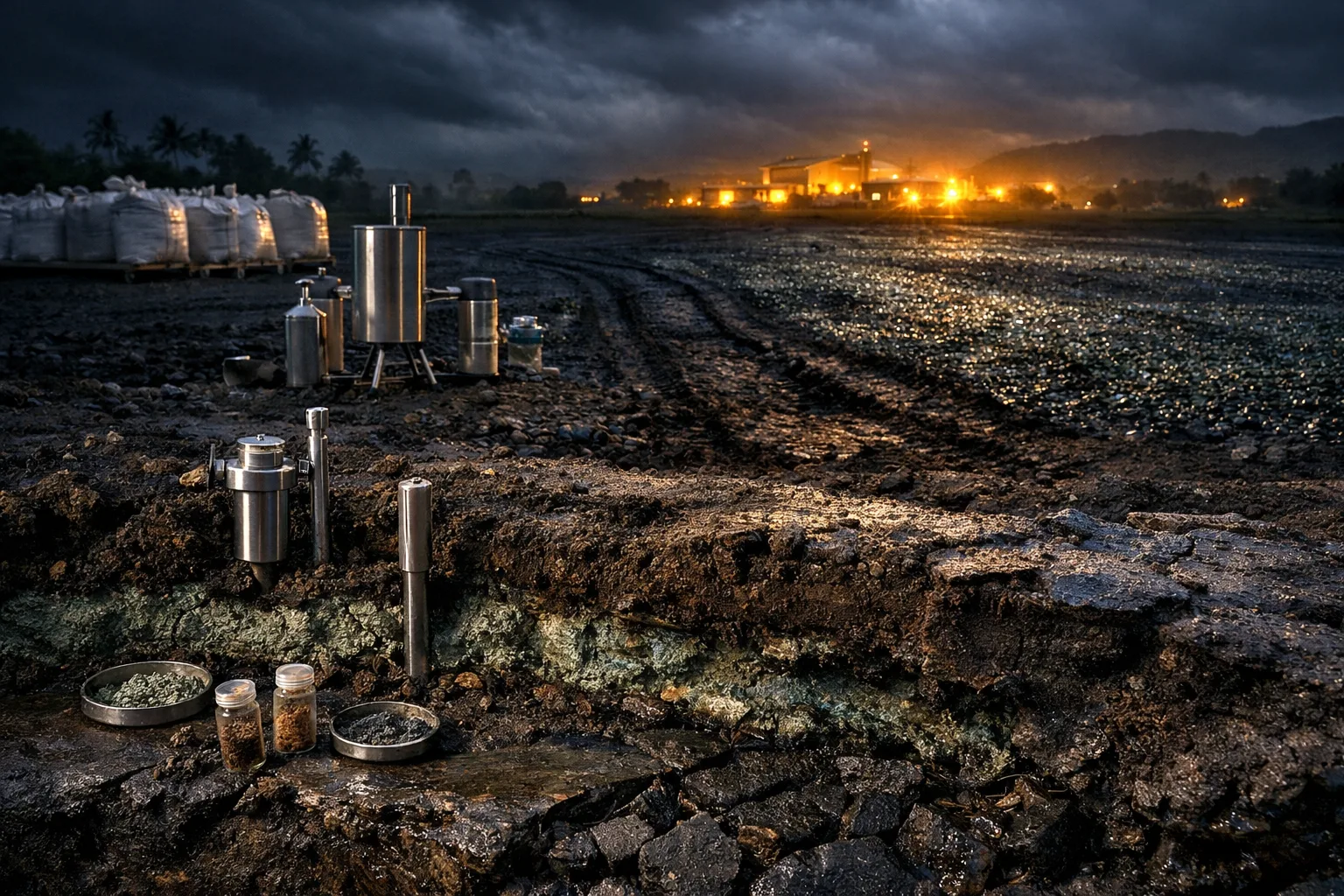
Startups in ERW and adjacent mineralization pathways should prioritize MRV stack design, sampling cadence, chain-of-custody, and digital traceability. Buyer confidence now depends on measurement robustness, not just modeled removal potential.
The local system requirement is just as important. Successful ERW projects need suitable mineral feedstock, decentralized distribution logistics, farmer adoption, and agronomic extension services. That makes project development a land-systems integration problem, not just a carbon-accounting exercise.
CDR.fyi’s 2026 market snapshot shows buyers outside Microsoft and Frontier are still growing, but Microsoft remains the largest demand anchor. Suppliers that can qualify for Microsoft-like procurement standards may gain outsized signaling power across the voluntary market.
The next competitive layer is geographic. Once India demonstrates credible supply, how do African, Latin American, and European projects position themselves against a new benchmark for durability, deliverability, and buyer trust?
What this means for carbon removal competition across Africa, Latin America, and Europe
Microsoft’s portfolio already spans India, Brazil, Bolivia, Denmark, Sweden, Norway, Panama, Canada, Switzerland, and the US. Carbon removal competition is now global and method-diverse rather than centered in one region or one pathway.
Latin America remains highly competitive in biomass- and land-based removals. Microsoft has expanded deals with re.green in Brazil and Exomad Green in Bolivia, which shows the region can win on scale where forestry residues, land restoration, and biochar supply chains are well organized.
Europe remains advantaged in engineered durability and regulatory signaling, especially for BECCS and storage-linked pathways such as Stockholm Exergi, which Microsoft highlighted in its scale-up portfolio.
Africa’s opportunity is to compete on land availability, biomass residues, and project development cost. The India ERW deal raises the bar, though. Regions will need not only low-cost supply, but also credible MRV, permanence, and delivery certainty to win major offtake.
For buyers, the broader conclusion is simple. A Microsoft-backed India ERW transaction can re-rank supply geographies by quality-adjusted deliverability, not just by headline carbon volume, and that will shape portfolio construction, pricing, and risk allocation across emerging markets.