Why Institutional Capital Is Moving Into Nature-Based Carbon Finance and What the Ardian-Société Générale Fund Signals
From Offsets to Asset Allocation: Why Big Finance Is Reframing Nature-Based Solutions
The Ardian–Société Générale fund is a sign that nature-based carbon is being treated less like a spot offset purchase and more like an asset allocation decision. Société Générale is entering as an anchor investor with EUR 100 million in the Averrhoa NBS fund, while Ardian is positioning the strategy as an SFDR Article 9 impact fund.
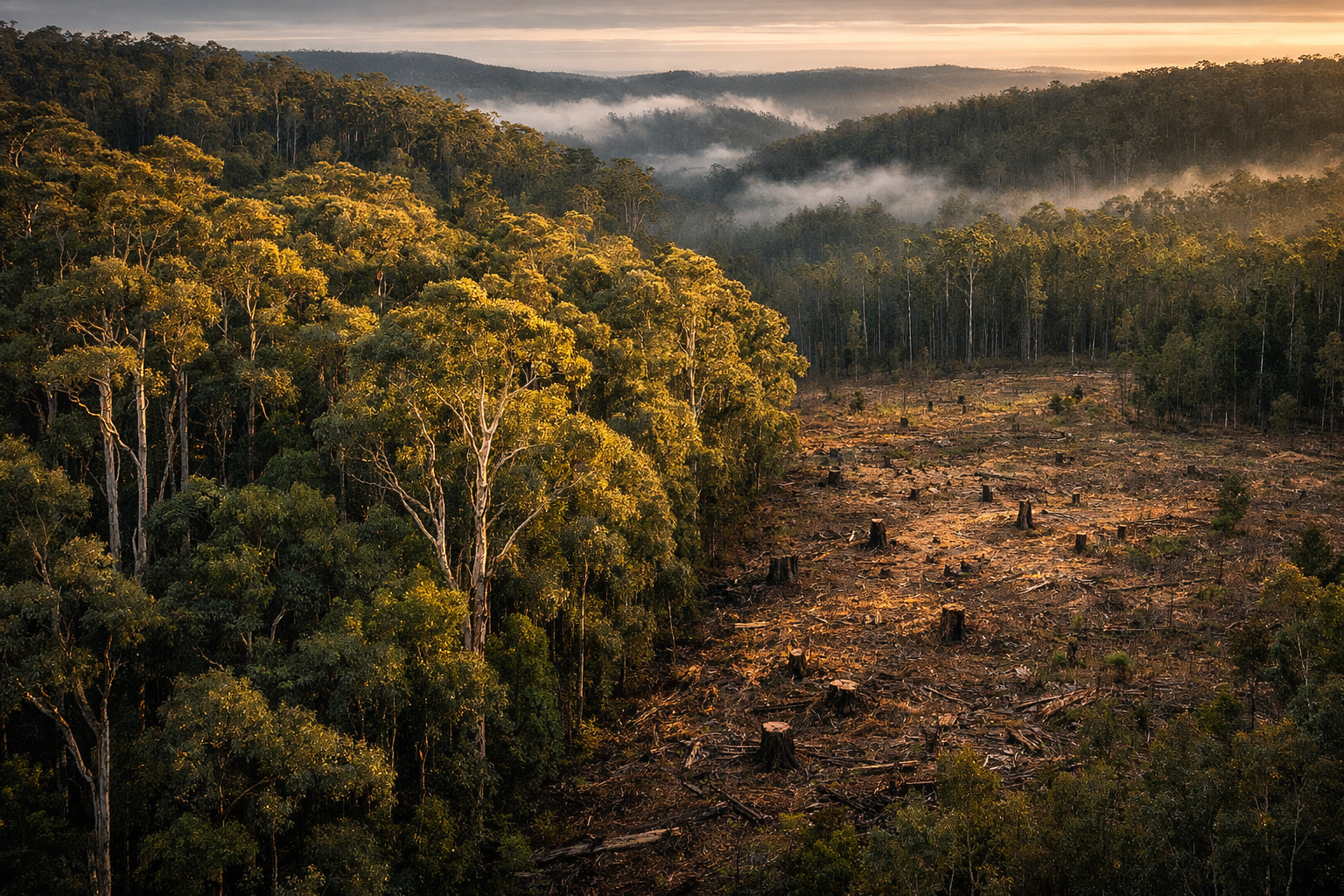
That matters because forests, wetland restoration, and mangrove projects are increasingly being viewed as real assets linked to climate outcomes. Development, asset assembly, governance, advisory, and credit monetization are no longer just project-by-project tasks. They are becoming part of an investable pipeline.
The market narrative is also shifting toward carbon sequestration, biodiversity co-benefits, and socio-economic impact. That is important for buyers who need credits with stronger integrity claims and reporting that can stand up in audit and ESG review.
Institutional capital can also narrow the gap between project development and buyer readiness. Banking advisory, financial structuring, and project governance can improve bankability, standardize cash flows, and support earlier access to offtake agreements.
The key question is quantitative. How much real impact can a EUR 100 million fund support across forests, soil carbon, and landscape restoration, and at what unit economics? That is the test for whether institutional capital is scaling the sector or just selecting a premium pipeline.
What a EUR 100 Million Fund Can Actually Finance Across Forests, Soils, and Landscapes
A EUR 100 million nature-based fund typically finances a mix of land rights, project development, MRV systems, community engagement, nursery and planting costs, wetland hydrology works, and long-term monitoring. This is the capex and opex that turns ESG intent into carbon asset creation.
The closest benchmark in Ardian’s own materials points to a strategy that could contribute to the restoration of 100,000 hectares and sequester about 70 million tonnes of carbon over a long horizon. A later communication raises the target to 85 million tonnes of carbon over 40 years. That shift shows that targets can evolve as the pipeline expands and the asset mix changes.
For buyers, the important question is not only how many credits may be generated. It is which project types enter the portfolio. That can include afforestation and reforestation, improved forest management, mangroves, wetlands, landscape restoration, and in some cases soil carbon as a complementary climate component.
Returns depend on how quickly projects move from development to issuance. Verra notes that validation, verification, and issuance happen only after methodological requirements are demonstrated, so capital has to absorb a multi-year development lag before commercial volumes appear.
The next issue is how to read the headline number of 85 million tonnes. Is it a project figure, a portfolio target, or a sum of credits spread across decades? The answer depends on horizon, baseline, and risk.
The 85 Million Tonne Claim: How to Interpret Sequestration Targets, Time Horizons, and Risk
The target of 85 million tonnes of carbon over 40 years should be read as a long-duration sequestration objective, not as credits that are immediately available. In carbon accounting, the timing of removals, permanence assumptions, and issuance schedule can change the economic value of the target.
The earlier Ardian target of about 70 million tonnes across 100,000 hectares suggests that these numbers must be read together with sequestration density, ecosystem mix, and project maturity curve. This is not a simple tonnes-per-hectare metric.
For international buyers, the real issue is risk-adjusted deliverability. A 40-year target includes climate risk, fire risk, reversal risk, leakage, and performance variance. Standards such as Verra address these through methodologies, monitoring, and non-permanence rules.
The presence of a banking anchor investor makes the pipeline more credible, but it does not remove the need for rigorous MRV, robust baselines, and independent review by a VVB. That is the difference between a headline target and assets that can actually be monetized.
The strategic question is what changes when private equity and banking enter the same structure. The answer is about project development, contract standardization, and buyer trust.
Why Private Equity and Banking Participation Could Change Project Development and Buyer Confidence
Private equity expertise and banking advisory can reduce common frictions in nature-based carbon projects. That includes stricter due diligence, clearer capital stacking, SPV structuring, and better capacity to fund early costs before credits are issued.
For buyers, this matters because projects backed by institutional capital often have stronger governance, more standardized reporting, and a higher chance of reaching validation and verification milestones. That helps procurement teams, sustainability leads, and decarbonization managers choose suppliers.
Large institutions can also make forward offtake, pre-financing, and portfolio diversification across geographies easier to access. That is relevant for companies buying voluntary carbon credits over multiple years and looking for more stable price and supply conditions.
On the supply side, a dedicated fund can encourage more developers to bring landscape-scale projects to market with quality standards that fit buyers seeking high-integrity nature-based credits and verifiable co-benefits.
This also raises structural fragilities. As more institutional capital enters, pressure to monetize quickly increases. That makes permanence, additionality, verification, and exit pressure central to market quality.
The Key Risks for International Buyers: Permanence, Additionality, Verification, and Exit Pressure
Verra defines additionality as reductions or removals beyond the baseline, while permanence refers to the long-term durability of the carbon removed or avoided. For buyers, that means it is not enough to buy nature-based credits. Methodology and buffer logic matter.
Reversal risk is especially relevant for forest, mangrove, and wetland credits. That is why the market is strengthening monitoring systems and long-term monitoring systems. Verra has also pointed to the development of an LTMS to better manage non-permanence risk in AFOLU projects.
Verification quality is decisive. Emission reductions or removals become credits only after validation, verification, and approval. For a procurement team, the counterparty risk is therefore not only commercial but also methodological and regulatory.
Exit pressure from investors can create an incentive to sell too early or to favor assets with a stronger story rather than better agronomic performance. Sophisticated buyers should ask for data rooms, monitoring reports, and clarity on holding periods and crediting periods.
Once these risks are clear, the market question becomes pricing and structure. If institutional capital raises standards and expectations, what happens to the next cycle of nature-based carbon funds?
What This Means for the Next Wave of Nature-Based Carbon Funds and Market Pricing
This deal signals that the market is moving into a phase of institutionalization. Larger fund structures, bank anchor investors, Article 9 strategies, and high-integrity project pipelines may become the new baseline for large-scale nature-based carbon finance.
For pricing, that tends to create a split. Projects with better MRV, stronger co-benefits, and institutional governance can command price premiums, while less transparent supply may remain discounted or fall outside the portfolios of more mature buyers.
The next wave of nature-based funds will likely combine portfolio finance, carbon revenue, and biodiversity value. It will also place more weight on landscapes, jurisdictions, and scalable developer platforms rather than isolated asset classes.
For global buyers, the operational message is clear. Due diligence will need to look more like an asset acquisition process. Baseline quality, monitoring, counterparty strength, reversal protection, and exit governance will become central selection criteria.
In short, this fund launch is not just a fundraising story. It is a sign that nature-based carbon markets are moving from project stories to institutional carbon infrastructure, with direct implications for supply, price discovery, and buyer confidence.