
What Groundwork BioAg’s Rootella Carbon issuance actually proves about biological soil carbon
Groundwork BioAg’s first verified Rootella Carbon credits matter because they move a fungi-based soil carbon pathway from promise to issuance. That is a real market milestone, not just another project announcement.
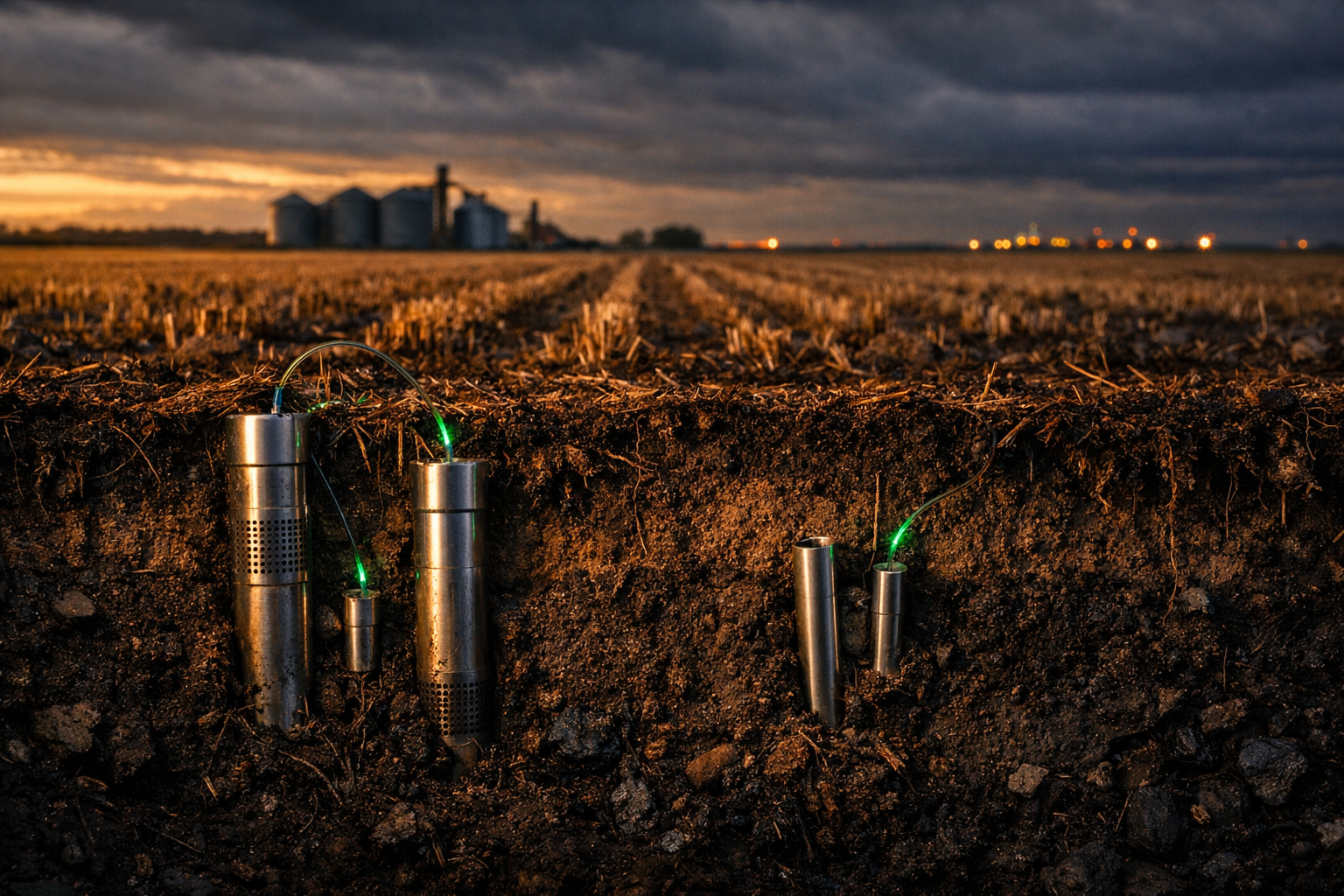
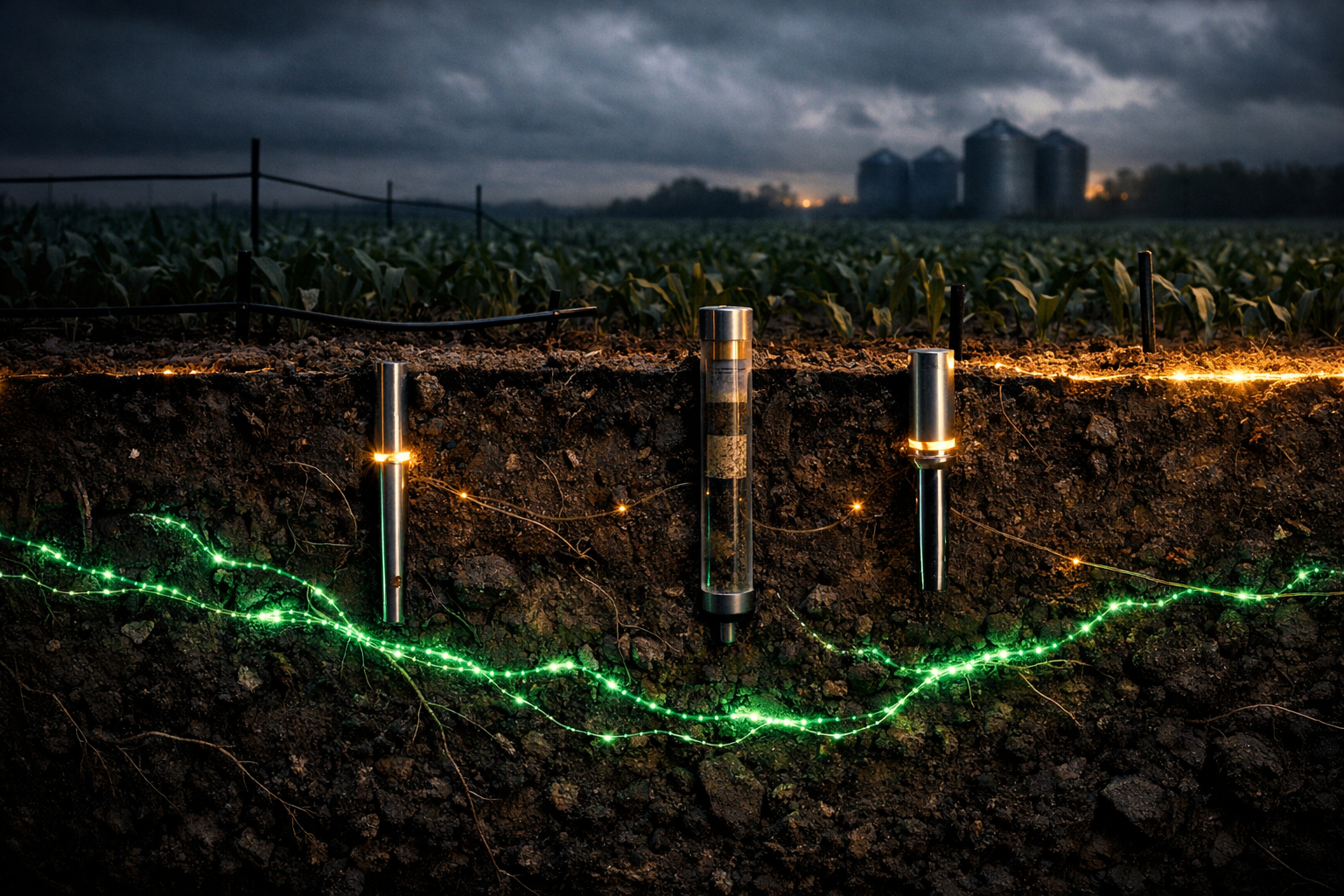
The key point is the mechanism. These credits are tied to mycorrhizal fungi inoculants and Rootella-treated systems, so the carbon story is biological, not just a generic practice-change claim. That gives the project a distinct origin compared with standard regenerative agriculture credits built around cover crops, reduced tillage, or other management shifts.
The issuance also matters because it follows an earlier scale signal. Groundwork had already said in 2025 that it was working with Anew Climate on a target of about 500,000 tCO2e over three years under Verra VM0042, with more than half a million acres enrolled and verification by SCS Global. The new issuance suggests that the concept has now crossed into deliverable supply.
For buyers and project developers, that is the practical shift. A biological hypothesis has become an auditable carbon removal concept. In other words, mycorrhizal carbon can now be framed as a registrable pathway, not only as an agronomy claim.
The open question is whether this first issuance becomes a repeatable template. If it does, the market could see a lower-cost way to structure biological soil carbon projects with clearer verification logic. If it does not, it may remain a niche proof point.
Why a fungi-based pathway could change how permanence and measurement are judged in farm carbon projects
VM0042 already gives the market a framework for improved agricultural land management projects that quantify soil organic carbon removals. It also distinguishes between “measure and model” and “measure and remeasure” approaches, which is important for any fungi-based pathway.
That matters because soil carbon credibility depends on field evidence, not just models. Verra has also stressed a minimum 30 cm soil sampling depth for project soil carbon data. Buyers should read that as a reminder that sampling design is part of the integrity test.
A mycorrhizal pathway can be sold as a carbon removal technology with a biological persistence rationale. But the market will still ask the hard questions. Does the carbon stay in place through tillage? What happens across crop rotations? How does performance vary across soils and seasons over multi-year issuance periods?
Those questions are becoming more important as policy tightens. The EU’s Carbon Removals and Carbon Farming framework requires third-party verification and published registry information. That is a strong signal that monitoring, permanence, and transparency expectations are rising for soil carbon claims.
For buyers and processors, the commercial issue is simple. If this pathway reduces uncertainty, it can support longer offtake terms, stronger pricing, and more credible Scope 3 or insetting strategies. If it does not, it will struggle to move beyond a specialist niche.
How this first issuance fits into the wider race for credible agricultural carbon credits
Agricultural carbon credits are growing, but they still make up a small share of total voluntary carbon supply. EDF has noted that agricultural credit issuances grew sharply between 2019 and 2022, yet were still only 5% of total credits in 2022.
Demand is also getting more selective. Recent market commentary has pointed to buyers sorting credits by quality, compliance, and durability, while higher-rated credits remain in short supply. That is the backdrop for this issuance.
This is why the Rootella credits matter strategically. They enter a market where soil carbon projects are no longer judged only on their nature-based appeal. They are judged on additionality, permanence, and whether the MRV can stand up against competing methodologies.
That is a higher bar than many practice-based agricultural programs face. A verified fungi-based issuance can therefore be positioned as a science-led alternative, but only if the underlying data and verification hold up under scrutiny.
For corporate buyers, the takeaway is direct. Soil carbon supply is becoming more selective, and premium attributes are increasingly tied to verification rigor, registry status, and delivery certainty rather than acreage alone.
What buyers, registries, and project developers will watch next before scaling similar methods
Buyers will want to see whether this is a one-off issuance or a repeatable supply stream. They will look at issuance frequency, durability claims, vintage structure, and whether the credits can support long-dated procurement or insetting strategies.
Registries will focus on methodology integrity. That means baseline setting, sampling depth, uncertainty, leakage, and any true-up requirements under VM0042’s measure-and-model or measure-and-remeasure frameworks.
Developers will need to prove agronomic repeatability. Biological performance can vary by root architecture, inoculation protocol, soil type, climate, and management regime. That makes scale harder than it looks on paper.
A major commercial question is cost. If verification and field MRV remain expensive, this model may stay limited to flagship acres. If those costs fall, it could become more relevant for broader row-crop adoption.
Procurement teams will also ask how the credits fit internal carbon pricing, claims guidance, and supplier engagement programs. That question is getting sharper as third-party verification and registry norms become more important across markets.
The bigger issue is whether this becomes a niche agricultural offset or a template for international soil carbon, regenerative agriculture, and carbon removal finance.
The international market implications for soil carbon, regenerative agriculture, and carbon removal finance
This first issuance strengthens the case for treating soil carbon as part of the broader carbon removal economy. That matters because global buyers are increasingly focused on durability and verified delivery, not just low-cost offsets.
Policy is moving in the same direction. The EU’s CRCF framework and registry requirements create a clear signal that high-integrity carbon farming credits may gain acceptance if they can satisfy monitoring, verification, and transparency rules.
For regenerative agriculture finance, biology-led soil carbon credits could support blended revenue models. Growers and co-ops may be able to combine agronomic uplift, risk reduction, and carbon removal monetization in one structure.
For investors, the opportunity is broader than credit sales. MRV infrastructure, verification services, registry interfacing, agronomy support, and offtake structuring are all part of the value chain. Those layers can scale faster than field acreage.
Internationally, this may also intensify competition among standards, marketplaces, and project developers over what counts as durable soil carbon removal. Mycorrhizal systems are now part of that debate.
The strategic conclusion is straightforward. Agricultural carbon is moving from experimental pilot work toward verification-heavy supply. This first issuance is a signal that the next phase has started.