A British technology company’s plan to generate carbon credits from AI data centres powered by landfill gas is facing public scrutiny over the most fundamental test in carbon accounting: whether the claimed emissions reductions are additional. An investigation published by Follow the Money on September 11 found that the landfill gas earmarked for the project is already being captured and converted into renewable electricity, which means the credits would monetize a climate benefit that exists with or without the carbon market. For corporate buyers racing to offset AI-driven emissions growth, the case is a live demonstration of where integrity risk sits in 2026: not in exotic methodologies, but in familiar ones applied to a compelling narrative.
The Case Against the Credits
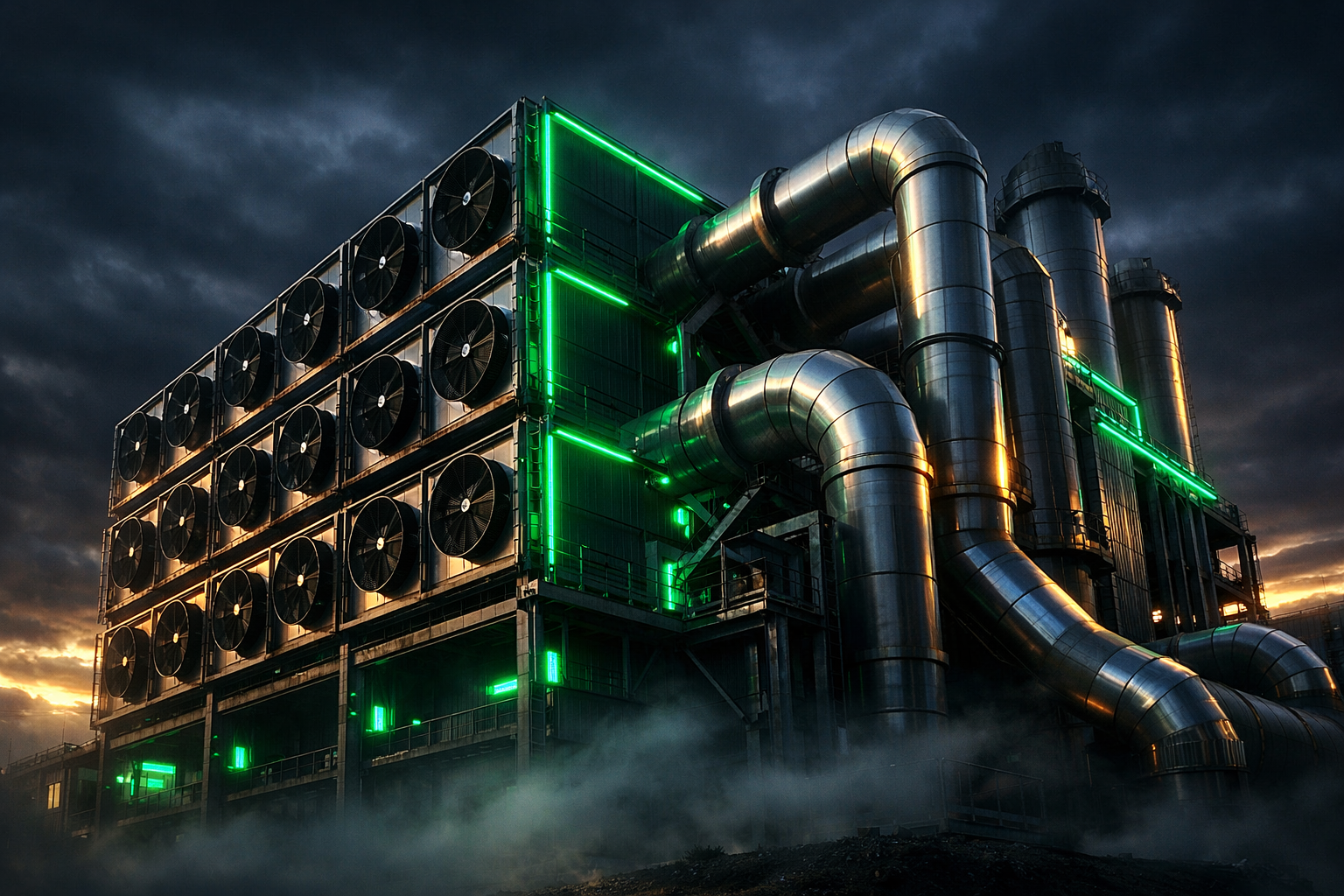
The mechanics, as described in the reporting, are straightforward. The company plans to power AI data centres with landfill gas and sell carbon credits for the emissions it claims this will save. The premise is that routing methane-rich gas to data centre power avoids emissions that would otherwise occur.
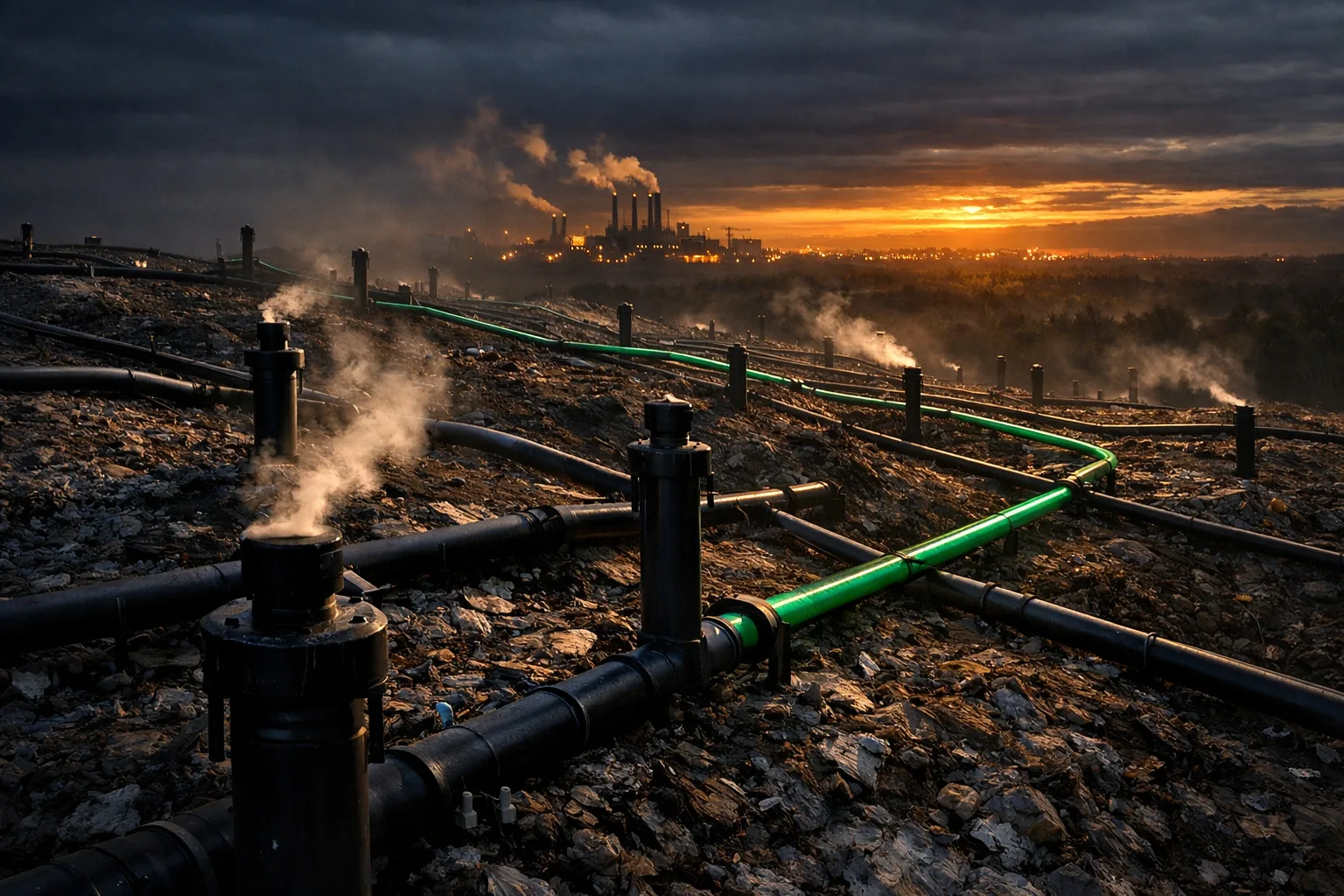
The problem, according to Follow the Money’s analysis, is the baseline. The gas in question is not escaping into the atmosphere waiting for a carbon-financed intervention. It is already captured at the landfill and already converted into renewable electricity under existing arrangements. If that is the case, the project’s claimed reductions are reductions that happen anyway, and the credits add no new climate benefit. Experts cited in the investigation say this raises serious doubts over whether the proposed credits would deliver anything beyond a revenue stream. The investigation’s own headline is blunt: “Money for old rope.”
The company at the centre of the case has not been publicly confirmed in the material available to us, and no registry issuance has been reported. This is a dispute over a plan, not over credits already in circulation, which makes it an early-warning case rather than a scandal about retired offsets.
Why Additionality Is the Fault Line
Additionality asks a counterfactual question: would the emissions reduction have happened without carbon credit revenue? If the answer is yes, the credit represents business as usual, and a buyer retiring it is funding nothing. The test exists precisely because the highest-margin crediting opportunities are often activities that were already economically or legally compelled.
Landfill gas sits at the heart of this history. Capturing methane from waste was one of the largest credit categories under the Clean Development Mechanism, and baseline setting for such projects has always been contested: a landfill that already flares or generates power from its gas has a very different counterfactual from one venting methane to the air. Methodologies have tightened over the years, with standards introducing penetration thresholds and common-practice tests to screen out non-additional projects. But no automated screen fully replaces a hard look at what is actually happening at the site, which is exactly the look this investigation took.
The AI angle changes the stakes, not the principle. Wrapping an old crediting category in the fastest-growing demand story in energy makes it easier to market, and possibly easier to sell at a premium to buyers whose procurement teams are under pressure to show progress on data centre emissions.
The AI Demand Context
Demand pressure from AI infrastructure is real and documented. Google’s greenhouse gas emissions grew 18% year over year in 2025 to about 14.5 million tonnes of CO2e, driven by AI build-out, and it is far from the only technology company whose climate targets are being strained by data centre expansion. That pressure is pushing buyers toward credits that appear to connect directly to their own footprint: power-sector and data-centre-linked reductions feel more defensible in a sustainability report than a distant forestry project.
That psychological pull is precisely what sellers of questionable credits can exploit. A credit tied to “AI data centres powered by waste gas” tells a story a buyer wants to tell. Diligence processes built for slower markets, such as document review against registry listings and methodology checklists, can wave such projects through if nobody asks the site-level question: is the gas already being used?
What This Means for Buyers and Developers
For buyers, the operational lesson is that additionality diligence has to be physical, not just documentary. Three checks would have surfaced the issue in this case: confirming the current fate of the landfill gas stream before the project, checking for existing power generation or offtake arrangements at the site, and asking whether carbon revenue is decisive to any new investment at all. If the answer to the last question is no, the credit fails the test regardless of what a methodology permits on paper. Independent investigations and rating agencies are increasingly doing this work publicly, and buyers should assume any credit they retire will eventually face the same scrutiny.
For developers, the case cuts the other way. Projects with genuinely additional use of waste gas, for example at landfills currently venting or flaring without energy recovery, now carry a stronger differentiation argument. Being able to demonstrate the counterfactual with metering data and clear baseline documentation is becoming a commercial asset, not a compliance chore.
What to Watch
Three markers will show whether this case changes practice. First, the standard response: whether the registry or methodology under which the company intended to issue credits comments on the baseline question, and whether any project listing is withdrawn or suspended. Second, the buyer response: whether corporates purchasing power-sector credits start requiring site-level evidence of gas-stream fate as a condition of offtake. Third, replication: whether investigators apply the same lens to other data-centre-linked credit proposals, of which more are certain to appear as AI electricity demand grows. The additionality test is old. What is new is how much money, and how much reputational exposure, now rides on getting it right.