What Amazon Bought and Why the Deal Matters Beyond the Headline
Amazon’s rice carbon deal matters because it is a procurement signal, not just another portfolio line item. A hyperscaler buyer is testing whether smallholder agriculture credits can meet the same diligence bar now expected in higher-integrity voluntary carbon markets.
Rice credits sit at a useful intersection for buyers. They combine methane abatement, nature-based climate action, and supply-chain decarbonization. That makes them relevant to Scope 3 work, climate claims, and supplier engagement strategies.
Rice is also a large source of agricultural methane, and the scale is hard to ignore. Verra says rice systems cover around 168 million hectares globally, which suggests meaningful credit supply if project design and farmer adoption can be standardized.
The real question is no longer whether rice can generate credits. The question is whether those credits can survive scrutiny on additionality, leakage, and farmer-level implementation at volume. That is why this deal matters as a market reference point.
The timing also matters. Verra launched VM0051 in early 2025 to replace the retired CDM rice approach and support improved water and crop management in flooded rice systems. That gives the segment a newer methodological base.
The bigger issue for operators and investors is simple. What project model can turn thousands of dispersed farmers into bankable carbon supply with auditable integrity?
How the Good Rice Alliance Uses Smallholder Farming to Generate Carbon Credits
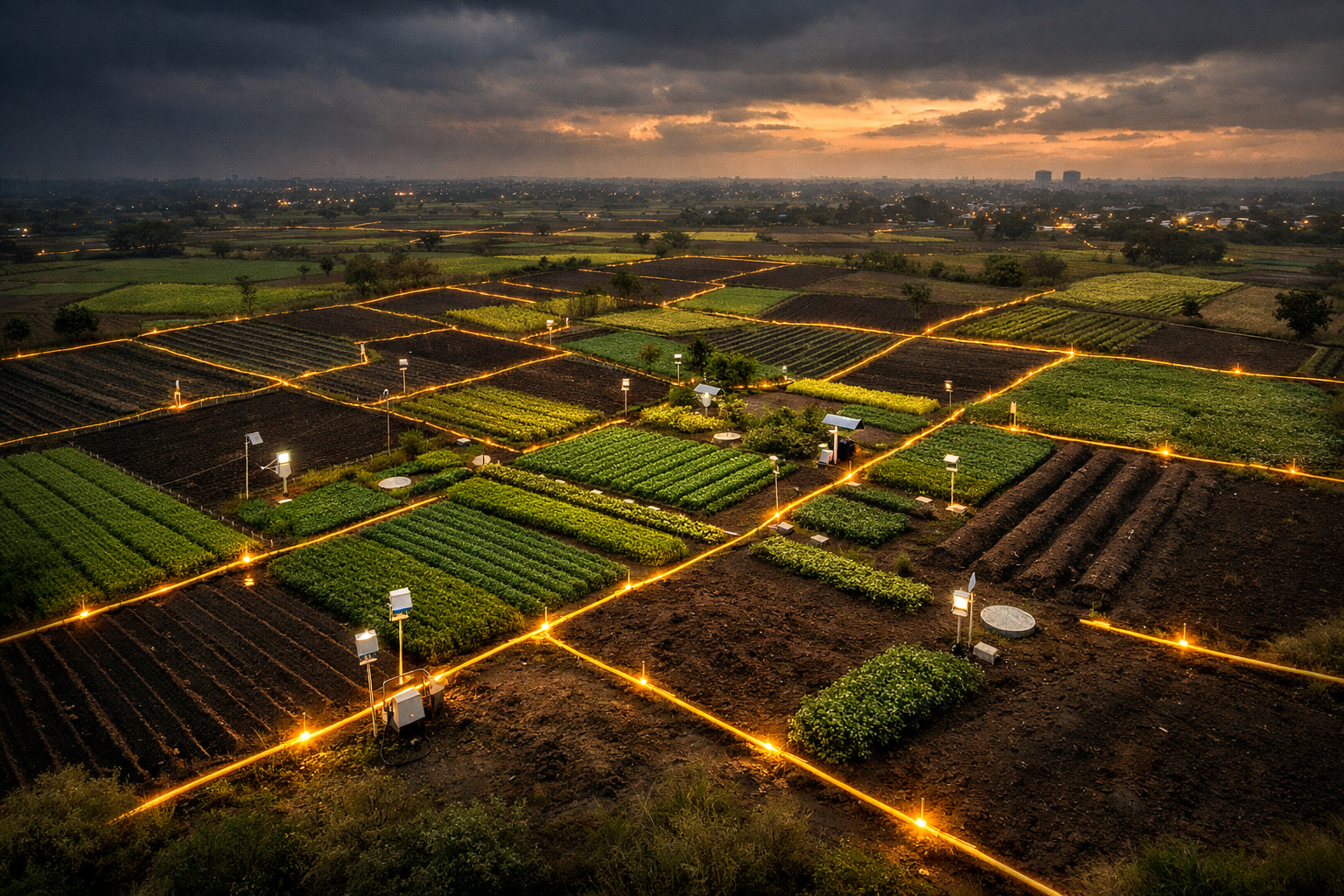
The Good Rice Alliance is best understood as a smallholder aggregation model. It turns fragmented paddy holdings into one crediting architecture through standardized agronomy, farmer onboarding, and field-level data capture.
That structure matters for buyers and intermediaries. The value is not only emission reduction. It is also a repeatable project developer platform that can source credits from many micro-producers while lowering transaction costs per ton.
In rice, the main crediting logic usually comes from alternate wetting and drying, water-level management, and related crop-practice changes that cut methane while preserving yields. That is especially relevant where adoption is operationally complex across many small farms.
Verra’s VM0051 methodology explicitly targets improved water and crop management practices in flooded rice systems. It also points to co-benefits such as improved resource efficiency, farmer income, and training access.
For corporate buyers, this opens a practical use case. A company can contract credits while also supporting regenerative sourcing narratives, farmer resilience, and geographic traceability in one program.
The catch is obvious. Smallholder aggregation only scales if the monitoring stack can prove what happened at plot level. That makes MRV, digitization, and auditability the real bottlenecks.
Why Advanced MRV Is Becoming the Real Differentiator in Agricultural Carbon Markets
In agricultural carbon markets, MRV is now the product. Measurement, reporting, and verification determines whether rice credits are treated as premium, financeable assets or as commodity-like claims under price pressure.
Verra’s digitalization push is a strong signal. VM0051 is now available in digital form on the Project Hub, and Verra says digitalization is meant to streamline project submission and help drive finance to emissions-reducing activities.
That matters for buyers because digital MRV can reduce the time between farm practice change and issuance. It can also improve evidentiary trails for auditors and support portfolio-level due diligence across thousands of farmers.
The market has also learned that rice methodologies need strong controls. Verra rejected 37 rice cultivation projects in China in 2024 and sanctioned some auditors and proponents, which underlines the reputational and quality risk in this segment.
For procurement teams, the practical test is straightforward. Does the project offer traceable plot data, remote-sensing support, ground-truth sampling, and verifiable adoption rates? Generic project-level estimates are not enough.
That raises the next strategic question. If MRV is getting stronger, can rice credits move from interesting nature-based supply to a category that fits broader demand from airlines, corporates, and climate-claim frameworks?
What This Signals for Demand: From Large-Scale Removal to Nature-Based Supply Chains
The Amazon deal suggests demand is broadening beyond durable carbon removal. It points toward nature-based supply-chain credits that can support operational decarbonization narratives, especially where methane reduction has immediate climate value.
Verra’s April 2026 announcement is another demand-side signal. It said VM0051 credits from eligible REDD+ countries may be used under CORSIA phases 1 and 2, which links improved rice management to a regulated aviation offsetting framework.
For buyers, that expands the market beyond pure voluntary offsetting. Compliance-adjacent demand can support prices and encourage longer-term offtake contracting.
The commercial takeaway is that rice credits can sit inside a broader nature-based supply chain strategy. Food companies, consumer brands, logistics firms, and cloud platforms can align on methane reduction, farmer livelihoods, and traceable rural impact.
Verra’s February 2025 launch note also said the methodology is expected to attract demand from stakeholders seeking to support improved rice management technologies, food security, and climate targets.
The next issue is not demand alone. Stronger demand raises the bar on investment quality because capital now has to underwrite permanence, additionality, and farmer adoption at scale.
The Investment Case and the Risks: Permanence, Additionality, and Farmer Adoption
The investment case for smallholder rice credits is attractive because methane abatement can be measurable and relatively fast. The risk stack is still high, though. Permanence, additionality, leakage, reversal, and adoption failure all need active management.
Permanence in rice is different from permanence in forestry, but it still matters. Investors need confidence that emission reductions hold across seasons and are not undone by fallback practices, drought stress, or farmer non-compliance.
Additionality is another core diligence issue. Buyers will want to know whether the water-management practices, training, and input changes would have happened anyway through agronomic extension or government programs.
Farmer adoption is often the binding constraint in smallholder systems. The economics only work if the project can sustain participation through incentives, agronomic support, and reasonable verification costs across many seasons.
A bankable structure therefore needs clear enrollment economics, monitoring protocols, grievance mechanisms, and benefit-sharing logic. Farmers need to understand it, and financiers need to be able to model it.
The next layer of the market will be shaped by one question. Which standards, buyers, and developers are ready to absorb this risk and professionalize rice supply at scale?
What Other Buyers, Standards, and Project Developers Should Watch Next
Other buyers should watch whether Amazon’s move accelerates a broader procurement pattern. Large corporates may prefer multi-year offtake agreements tied to digital MRV and supplier-visible impact rather than one-off spot purchases.
Standards bodies are moving in the same direction. Verra’s 2025 rice methodology launch and 2026 CORSIA-related update show that rice is becoming a test case for how high-integrity agricultural crediting gets formalized.
Project developers should track whether digital project submission, community-based verification, and audit-ready plot data become minimum requirements for access to premium buyers and regulated demand channels.
For transformation-focused buyers, the next watch item is whether rice projects can be bundled with sustainable sourcing, regenerative agriculture, and biodiversity KPIs to create a more defensible corporate climate strategy.
Investors should also watch quality enforcement closely. Verra’s rejection of non-compliant rice projects in China may push the market toward tighter underwriting, fewer but stronger projects, and clearer pricing differentiation.
Amazon’s India rice deal may end up mattering less as a single transaction than as a market marker. It could be remembered as the moment when smallholder agriculture credits started to look like a serious infrastructure market rather than an experimental niche.