A French carbon standard has published its first module for crediting carbon dioxide removal through biomass burial, opening a certification route for projects that store organic material in subsurface sites. Rainbow announced on Friday that the new module will sit under its wider biomass carbon removal and storage (BiCRS) methodology, according to Carbon Pulse. For buyers of durable removal credits, the move defines the eligibility, durability and certification conditions under which buried biomass can generate credits, turning a low-tech storage concept into a structured crediting pathway.
What the Module Sets Out
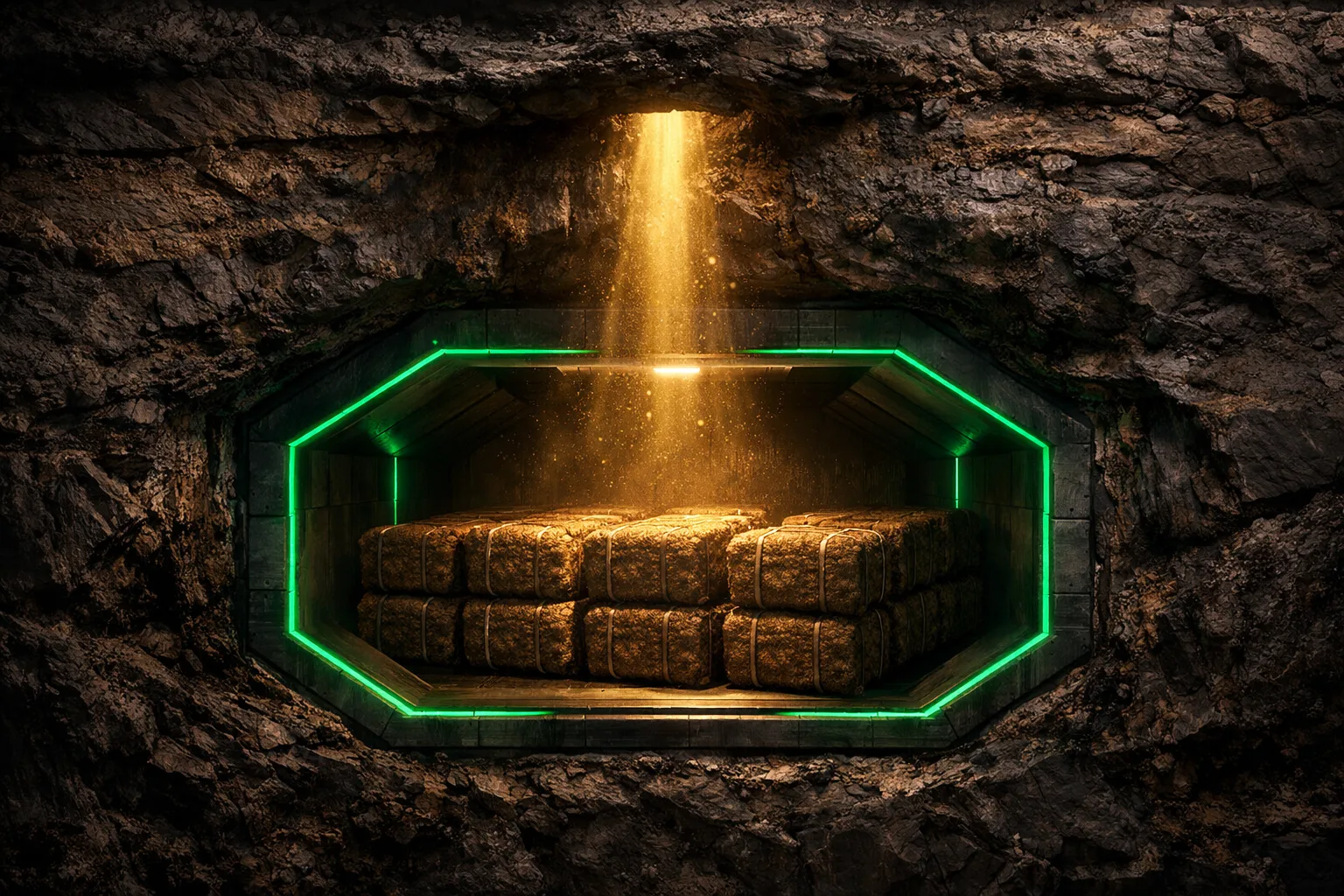
Released on August 21, 2026, the module covers steps for delivering credible carbon management results by burying biomass under conditions that prevent decay and the release of CO2 into the atmosphere, according to Carbon Herald. It provides guidelines on eligible technologies, biomass type, storage sites, conversion approaches and certification requirements.
The document also runs through rules on durability, risk assessment and mitigation, co-benefits, environmental and social risk evaluation, and greenhouse gas quantification, per Carbon Herald. That breadth matters: rather than a narrow accounting annex, the module attempts to govern the full chain from feedstock selection to quantified removals.
Four Biomass Categories Qualify
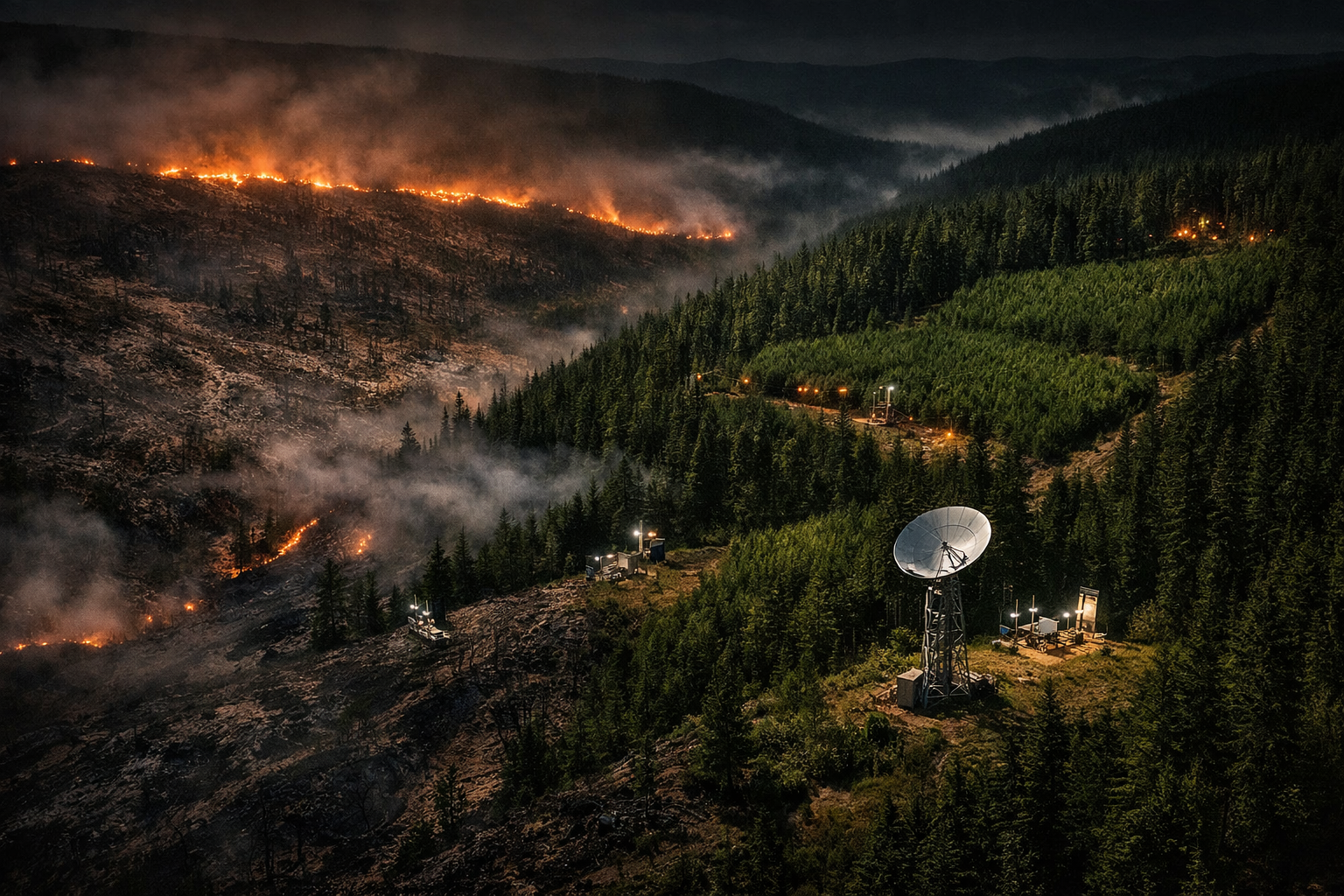
The module draws a defined perimeter around eligible feedstocks. The types of eligible biomass it outlines are forest waste from secondary forest, forest waste from managed forest, necessary tree removal from any forest, and thermochemically converted biomass, according to Carbon Herald.
Eligible categories include woody biomass, which is commonly disposed of by burial, and biomass that has been thermochemically converted by being heated under controlled conditions, as is the case with hydrochar or biochar production, per Carbon Herald. The waste-based categories concentrate eligibility on material without an obvious higher-value use, a design choice that speaks directly to additionality screening.
A 100-Year Durability Floor
The module’s core integrity parameter is storage time. Projects certified under it should cause additional carbon dioxide removals by storing eligible biomass for at least 100 years in eligible subsurface storage sites, according to Carbon Herald.
That threshold places biomass burial within the durable end of the removal spectrum, where buyers increasingly differentiate credits by storage horizon. The burial concept itself depends on site conditions that block decay, so the credibility of the 100-year claim will rest on how storage sites are assessed, monitored and verified over time. The module’s provisions on risk assessment, mitigation and GHG quantification are where that credibility will be tested in practice, per Carbon Herald.
Consultation Window Has Closed
Rainbow opened a public consultation on the module alongside its release, with the period for feedback and commentary running until September 21, 2026, according to Carbon Herald. That window has now closed, and stakeholder input will shape the final text before projects can seek certification against it.
Consultation responses in the carbon removal space typically concentrate on three pressure points: how durability is evidenced, how feedstock eligibility is policed, and how monitoring obligations are priced into project economics. Each applies here.
Why It Matters for Buyers and Developers
For developers, the module creates a defined route from feedstock sourcing to certified removal credits, with explicit rules on biomass type, conversion approaches, storage sites and certification requirements. For buyers, it introduces a new supply category whose quality can be compared on concrete parameters: the four eligible biomass categories, the 100-year storage floor and the risk and quantification framework, per Carbon Herald.
Three things are worth watching. First, the final module text after consultation, particularly any tightening of durability evidence or site eligibility. Second, the pace of first project submissions under the BiCRS methodology, which will indicate whether burial economics work at scale. Third, how verification of subsurface storage conditions is handled in practice, since the entire credit claim rests on decay being prevented underground for a century or more.